Data-Driven Smart Manufacturing: The Key to Competitive Advantage
by Lantek
Advanced Manufacturing
Share:
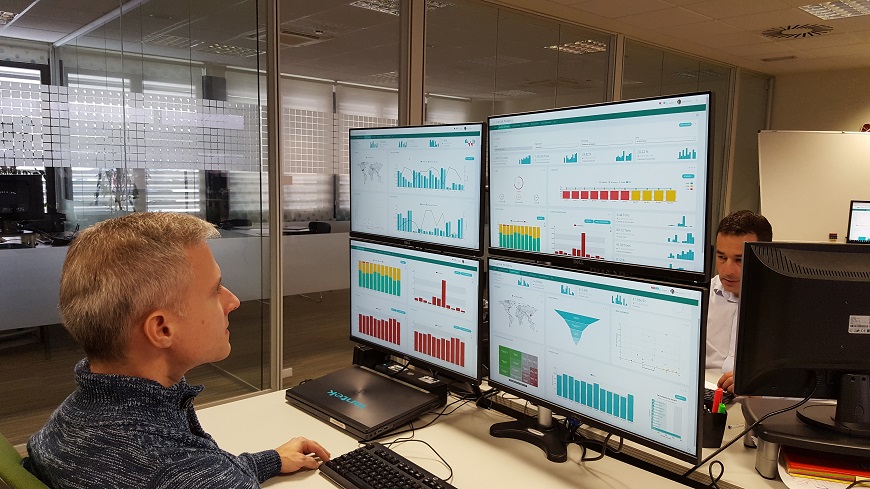
In today’s competitive manufacturing landscape, businesses that can leverage data to drive insights and decision-making have a clear advantage. Data-driven smart manufacturing is the use of data and analytics to improve all aspects of the manufacturing process, from product design and development to production and quality control.
There are many benefits to adopting a data-driven smart manufacturing strategy. For example, data can be used to:
Identify and optimize production bottlenecks. By analyzing data on production times, yields, and costs, manufacturers can identify areas where they can improve efficiency.
Predict and prevent equipment failures. By monitoring equipment data, manufacturers can identify potential problems before they cause downtime.
Personalize products and services. By collecting data on customer preferences, manufacturers can create products and services that are more likely to meet the needs of their target market.
Improve quality control. By tracking quality data, manufacturers can identify and address defects early in the production process.
The benefits of data-driven smart manufacturing are clear. However, there are some challenges that businesses must overcome in order to adopt this strategy. These challenges include:
Data collection and integration. In order to derive insights from data, it must be collected and integrated from a variety of sources. This can be a complex and time-consuming process.
Data analysis and interpretation. Once data is collected and integrated, it must be analyzed and interpreted in order to identify trends and patterns. This requires specialized skills and knowledge.
Change management. Implementing a data-driven smart manufacturing strategy requires a change in the way that businesses operate. This can be a challenge, as it requires employees to adopt new ways of thinking and working.
Despite the challenges, the benefits of data-driven smart manufacturing make it a worthwhile investment for businesses that want to stay ahead of the competition. By overcoming the challenges and adopting this strategy, businesses can improve their efficiency, quality, and profitability.
Here are some additional tips for implementing a data-driven smart manufacturing strategy:
Start with a clear goal in mind. What do you want to achieve by implementing this strategy? Once you know your goal, you can start to collect the data that you need to measure your progress.
Focus on the right data. Not all data is created equal. You need to focus on the data that is most relevant to your goals.
Use the right tools. There are a variety of tools available to help you collect, analyze, and interpret data. Choose the tools that are right for your needs.
Get buy-in from stakeholders. Implementing a data-driven smart manufacturing strategy requires the support of everyone in the organization. Make sure that you have the support of your stakeholders before you start.
By following these tips, you can implement a data-driven smart manufacturing strategy that will help you achieve your business goals.
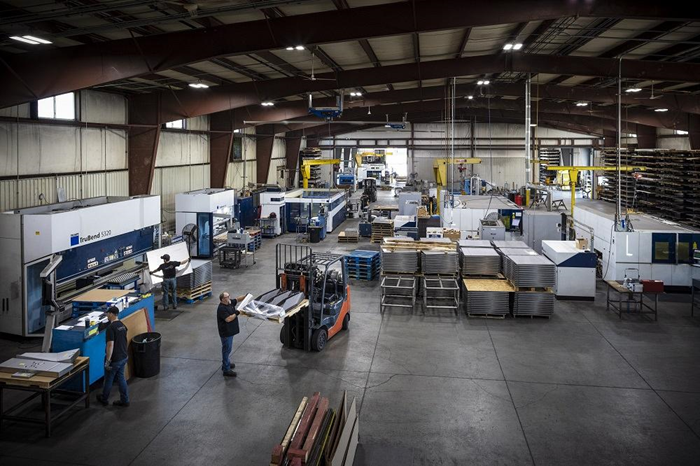
We are quite often faced with a recurring question from our clients, companies that have made the complicated decision to buy a laser cutting machine but have no clear criterion or contrast data to help them find out which is the right machine for them.
It seems that new computing methodologies are released every other year. In recent years much of the focus has been put on converting legacy systems to cloud solutions. Widespread adoption of cloud technology in all industries has helped to drive the cost of these solutions down. While cloud solutions are helping enterprises and individuals stay up to date with the latest technological and security advancements, they require a tremendous amount of data transmission.