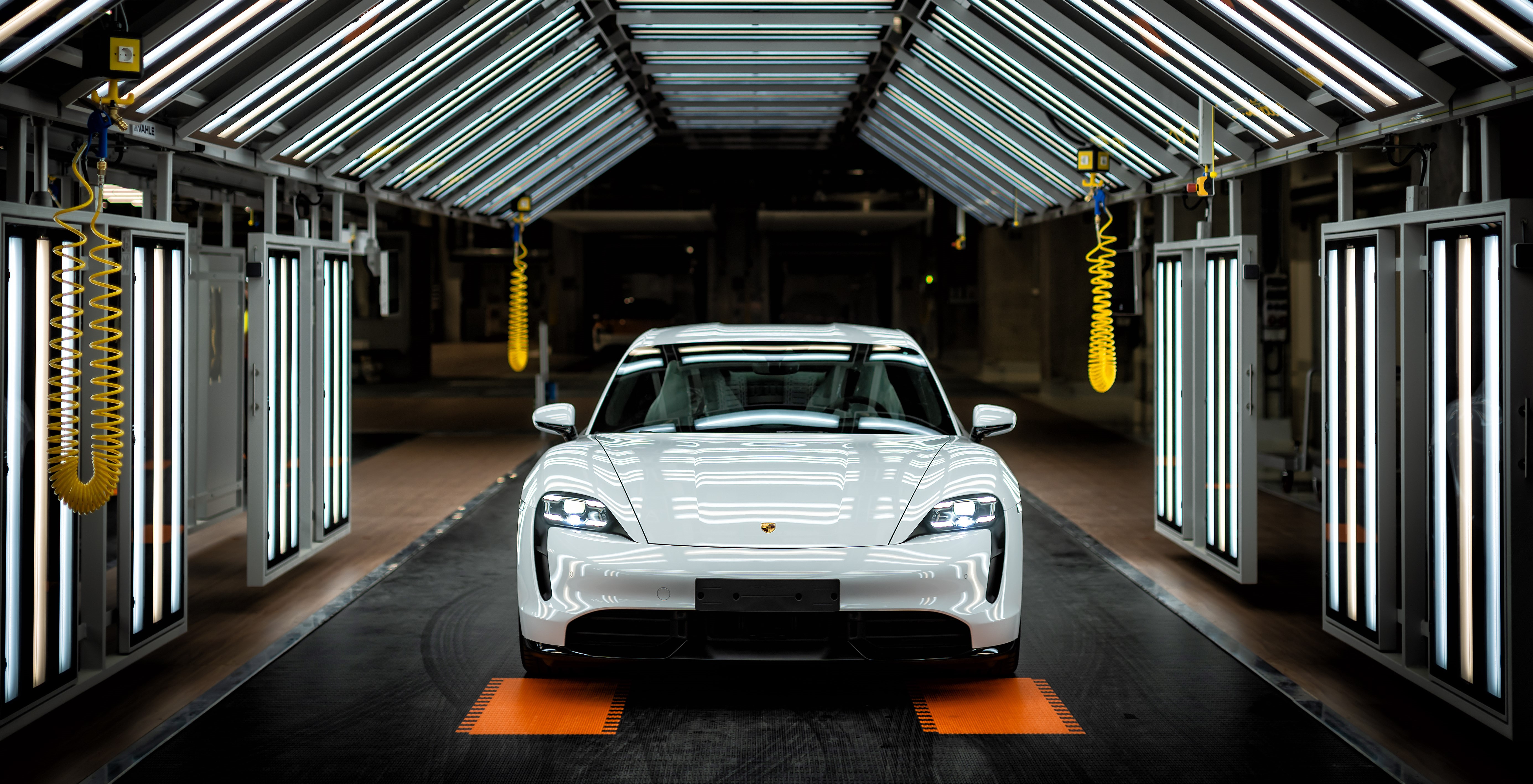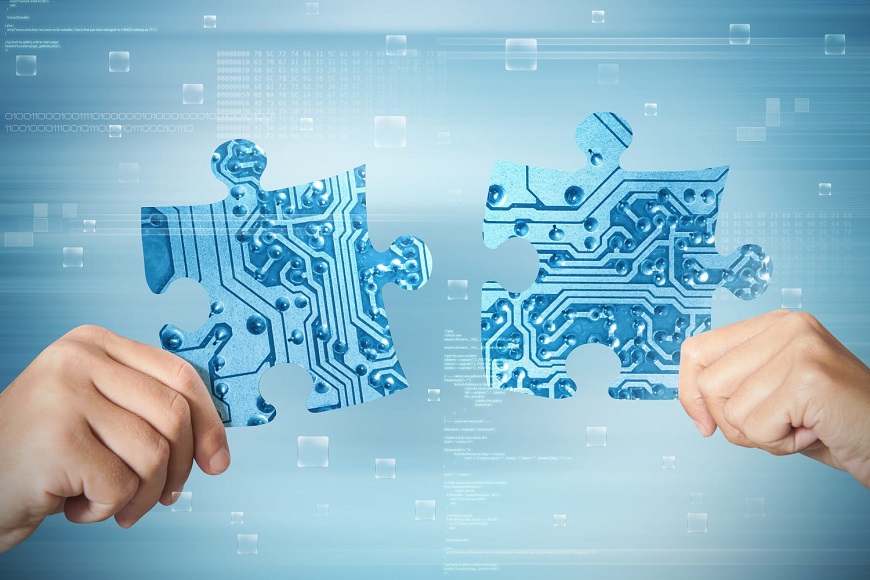
We’re referring to the capability of virtualizing reality, of replicating a device by computer to verify how it would behave in real life without having to manufacture a prototype in the physical world. In English we talk about Digital Twins.
To be honest, this technology is not new. The concept of pairing goes back to the first space travel, when NASA simulated the reactions of spacecrafts in space. Nevertheless, in the digital transformation era this plays an enormous role by being combined with other facilitators such as the Internet of Things, Cloud and Data Analytics. It is not in vain that the Gartner consulting firm includes it in the TOP10 technologies of 2018 and, for the not too distant future, predicts that millions of things will have their digital twin.
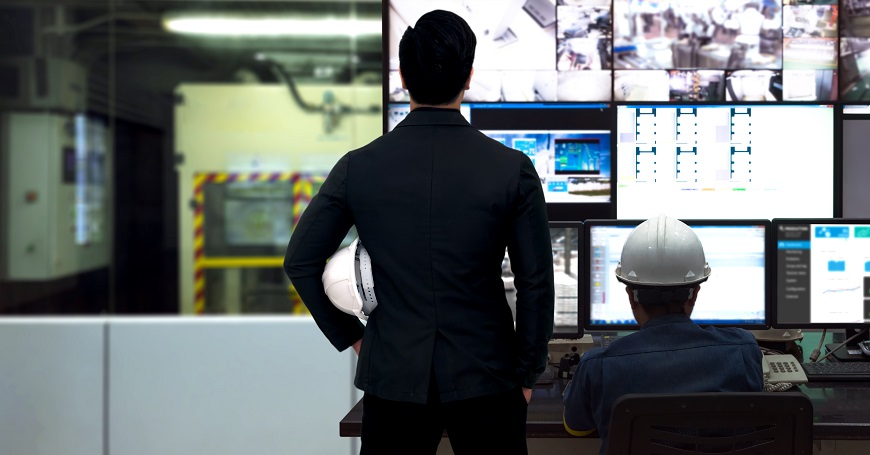
Let’s see how it works. Once our Digital Twin has been reproduced by computer, data from the physical world are compiled. These are data obtained in real time by sensorizing machines and processes (Internet of Things). This information is stored on the cloud where it is processed by applying an advanced analysis of Big Data. The answers delivered by Data Analytics to hypothetical scenarios are more precise, rapid and efficient.
It is therefore possible to take better business decisions with regard to optimizing assets and/or processes, predictive maintenance, instead of preventive maintenance, reduction in downtimes, product customization, the development of new business opportunities, etc. The possibilities are vast and, to top it all, the levels of precision, quality and reliability are far greater than today’s standards. In short, the objective is to present the market with improved products, more quickly and at lower prices.
In the medium term this will translate into having more efficient and more productive factories. As such, in terms of savings, the result is surprising. Let’s think, for example, in labor hours and, as such, in energy, in the material invested. Even in the manufacturing method. It will no longer be necessary to do so en masse and to run the risk of accumulating stock, but rather it will be done on demand, à la carte. A report by Siemens quantifies energy savings of 70%, an increase in productivity of 20% and a time-to-market reduction of 50%.
And, in the long term, virtual tests performed on Digital Twins could reveal new business models which will increase our revenue. Indeed, according to Gartner’s experts, in the future Digital Twins will communicate between each other to even create digital factory virtual models within our IT systems.
The use of the digital twin will not be restricted to development engineers or data scientists. Directors of operations will, for example, use them in operations where the cost/profit ratio is unsatisfactory. Suppliers will also take advantage by including it in their offer to the customer to enable them to test the product virtually before placing their order.
As we can see, yet another groundbreaking technology of Industry 4.0 offers economic potential for the manufacturing industry of staggering proportions which, the German Association of Information Technologies, Telecommunications and New Media (BITKOM) quantifies as more than 78 billion euros for 2025. This potential, however, will only be reached if, in addition to the Internet of Things, we provide machines with Artificial Intelligence to enable them to take decisions autonomously and to adapt to changes.
In this case, Digital Twins therefore represent a qualitative leap in the development of new industrial products and processes which will make our business more competitive.