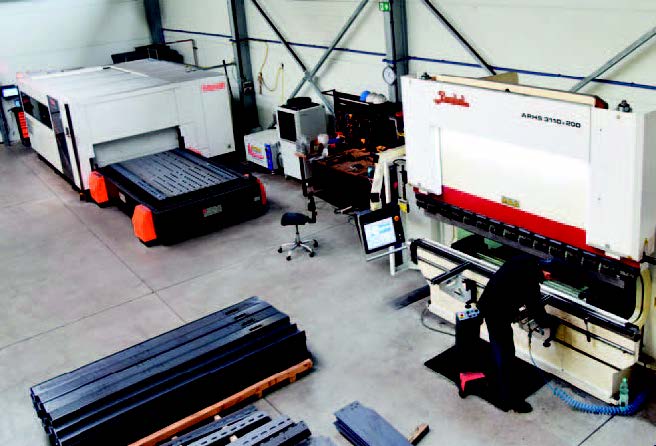
Computers. Administrative software suites. Design software suites. Laser cutters. Punch presses. Anymore, everything has been made digital in your shop. There is no doubt this has made manufacturing more user friendly and efficient. However, many shops are operating dozens of digitally capable machines and processes just as they were when they first implemented years – maybe even decades – ago.
How to analyze your digital assets
Taking stock of your digital assets will give you a deeper understanding of how your operations truly run. Are you using multiple software programs to achieve the same results? Is there a way to better integrate multiple systems? Chances are the answer to these questions is yes.
1. Take inventory of CNC machines. This will give a better understanding of how many machines are operating through computer programming.
2. Take inventory of design software. Write down all the software programs used to design parts, create nests, and generate G-code to operate your machines.
3. Take inventory of administrative software. Write down all software used to operate the business in it’s entirety. This includes accounting, scheduling, and any other managerial software used (MES, ERP, CRM, etc.)
4. Map the use of each software in the manufacturing process. This gives an easy to digest, visual understanding of software utilization within the manufacturing process.
Now that you have a visual of your company’s digital assets you can analyze your system for redundancies. Do two software programs offer the same capabilities? Is there re-work from one software to another? Can multiple systems be more easily integrated?
Luckily, finding software that integrates easily with your other systems is not as hard as it sounds. Integration and interoperability of technologies have revolutionized everyday life. Isn’t it time to revolutionize your shops operations?